October 01, 2026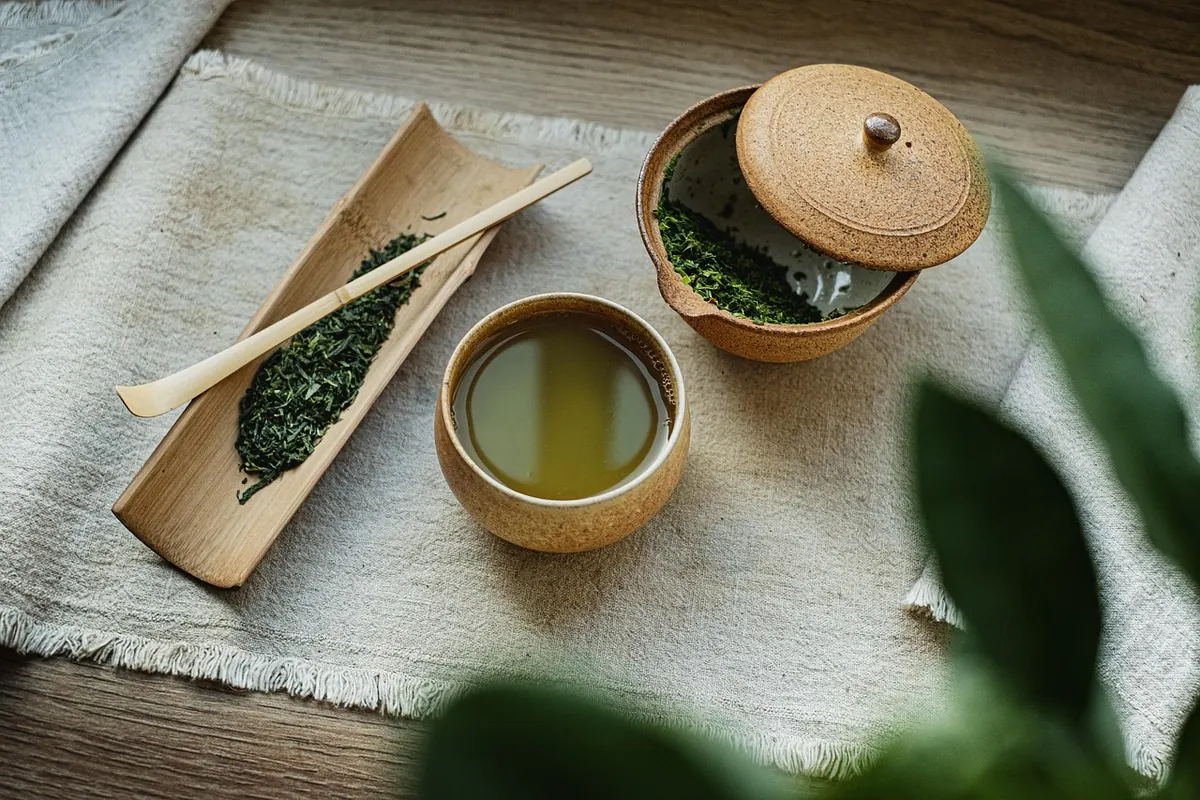
A teapot earns its keep quietly. It sits through a hundred ordinary mornings, holds heat while you hunt for a strainer, and never asks for much. Then one day you look inside and see it: a brown film along the walls, a chalky pale ring at the waterline, a dull patch where the spout meets the body. None of that means the pot is ruined. It means the pot needs twenty minutes and the right cleaner.
The catch is that "the right cleaner" depends entirely on what the pot is made of. A glazed porcelain pot shrugs off a baking soda paste. The same treatment on unglazed clay is a different story — those walls are porous, and anything you soak into them comes back in the next cup. Materials first, methods second.
Know Your Material Before You Pour Anything In
Turn the pot over. Read the base, check the inside surface, and run a fingertip across it. Shiny and smooth means glaze. Matte, slightly grippy, and thirsty-looking means bare clay. That single distinction decides almost everything that follows.
- Glazed porcelain and stoneware: Baking soda, brief vinegar or citric acid soaks, denture tablets, and a drop of mild dish soap are all fine.
- Enamel-lined cast iron: Baking soda and short acid soaks are safe, but skip abrasive pads and avoid pouring cold water into a hot pot, which can craze or chip the enamel.
- Glass: Nearly anything gentle works, though thermal shock still cracks glass, so let it cool before washing.
- Unglazed clay: Hot water, a soft brush, and patience. Nothing else.
One more thing worth checking: glazes with fine crackle lines, and gilded rims or painted decoration. Both are more delicate than they look, so keep strong soaks short and avoid coloured or perfumed cleaners that can settle into the cracks.
Baking Soda: The Safe Default
For most glazed pots, baking soda does the heavy lifting. It's mildly alkaline, so it lifts tannin and tea oils, and it's soft enough that it won't scratch a glaze even when you use it as a paste. It also has no scent to leave behind.
- Empty the leaves and rinse the pot with hot tap water.
- Add one to two teaspoons of baking soda.
- Fill about halfway with hot water. If the pot is cold, warm it gradually instead of pouring boiling water straight in.
- Leave it for 15 to 30 minutes. Longer does no harm.
- Wipe the inside with a soft sponge or a bottle brush, working around the shoulder just below the rim where film collects.
- Rinse twice with hot water, dry the outside with a cloth, and leave the lid off until the interior is bone dry.
If the stain has set
Mix baking soda with a few drops of water to make a thick paste, spread it over the brown band, and leave it for ten minutes before wiping in gentle circles. Skip steel wool, scouring pads, and powdered cleansers. They leave microscopic scratches that trap tannins and make the next stain worse.
Vinegar and Citric Acid for Hard-Water Scale
If the ring inside your pot is white, grey, or crusty rather than brown, it isn't tea — it's minerals left behind by hard water. Alkaline cleaners won't touch it. Acid will.
Mix one part plain white vinegar with three or four parts water, fill the pot, and let it sit for 30 to 60 minutes. Pour it out, brush the softened scale away with a soft brush, then rinse at least three times. Citric acid works the same way and smells far less; about a tablespoon dissolved in a litre of warm water is a good starting point.
A few cautions. Don't leave vinegar sitting in an enamel-lined or metal pot for hours, and don't boil it on the stove — prolonged heat can dull the finish. Never use an acid soak on unglazed clay. And don't mix vinegar and baking soda in the pot hoping for double strength: they neutralise each other, so the fizz looks impressive and cleans nothing. Use one or the other.
However you descale, rinse until the water tastes of nothing. A faint vinegar note will quietly ruin the next three pots of tea.
Denture Tablets for Awkward Shapes
Tall pots, narrow necks, and spouts you can't reach are where a denture tablet earns its place. Fill the pot with warm water, drop in one tablet, and leave it for 20 to 30 minutes. The effervescence gets into corners a brush can't, and it lifts tea stain from glazed interiors well.
Two limits. Keep tablets away from gilded rims, painted decoration, and metal fittings, since some formulas contain mild bleaching agents that dull them. And keep them out of unglazed clay entirely — the clay absorbs the minty, perfumed scent and gives it back to your tea for weeks.
Spouts, Lids, and the Ring Around the Rim
The visible interior is only half the job. The spout collects a slick of tea oils, the lid rim gathers residue where it meets the body, and the opening develops a brown line you only notice in daylight.
For the spout, use a slim bottle brush or a pipe cleaner. A traditional alternative works well: a spoonful of uncooked rice, a little warm water, a thumb over the spout, and a gentle swirl. Rinse thoroughly afterwards. Don't poke a chopstick or skewer through the spout — it's the fastest way to chip the tip.
Wash the lid separately, including the little inner flange, and clean any stainless infuser basket in a baking soda soak rather than the dishwasher. Speaking of which: unless the maker explicitly says the pot is dishwasher safe, wash it by hand. Heat, harsh detergent, and knocking against other dishes are unkind to glazes, gilt, and glued handles.
What Never to Do to Unglazed Clay
Yixing, Tokoname, and other bare clay pots are seasoned tools. Their walls hold traces of every tea they've met, which is the whole point — and the reason they need a different kind of care.
- No soap or detergent. The clay absorbs it and seasons itself with lemon-scented dish liquid.
- No vinegar, citric acid, bleach, or denture tablets, at any dilution.
- No salt scrubs or abrasive pads, which scratch the surface and create places for mould to sit.
- No overnight soaking. Water left standing against the walls can leave the pot smelling sour.
- No oven, microwave, or dishwasher, ever.
What does work: rinse with hot water as soon as you're finished, wipe the inside with a soft cloth or brush, and let the pot air-dry upside down with the lid off in a ventilated spot. If a forgotten pot has gone musty, dry it completely in open air and brush out any residue. A strong, lingering smell usually can't be undone.
A Rhythm That Keeps the Pot in Service
Most teapot damage comes from good intentions applied at the wrong moment — a vigorous scrub on a valued pot, a soak that sat too long, a cleaner chosen by habit rather than material.
Keep it simple. Rinse while the pot is still warm, since tea oils release far more easily before they dry. Dry the outside with a cloth so hard water doesn't spot the glaze, and leave the lid off overnight. Give glazed pots a baking soda clean every month or so, descale them when you see white, and treat a deep clean as occasional maintenance rather than routine. Unglazed clay needs only the rinse and the air.
When in doubt with an antique, a repaired pot, or something you don't want to risk, test any cleaner on a hidden patch first — or use hot water and patience. If the piece is genuinely valuable or has old restoration, a ceramics conservator is the right person to ask before you touch it.
Photo: mirkostoedter / Pixabay